
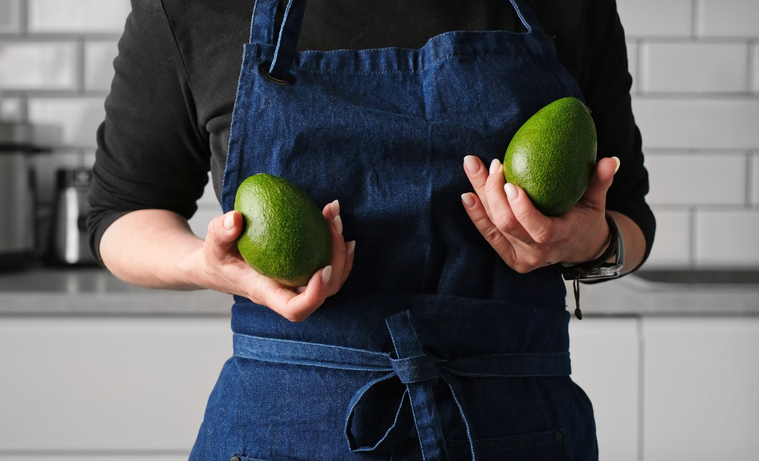
Food and desire share more overlap than people usually notice: craving, indulgence, anticipation, and the pleasure of being tempted. Understanding that overlap can help certain calls feel more natural, more immersive, and less like you’re following a rigid script.
What Is a “Food Fantasy” Scenario?
A food fantasy is any scenario built around craving, indulgence, or sensory anticipation, using food as the entry point rather than the destination. It might be playful, decadent, teasing, or centered on the idea of someone wanting something they can’t quite have yet.
The appeal is often less about a specific food and more about what it represents: comfort, temptation, reward, excess, or being spoiled.
Why Craving and Desire Overlap So Naturally
Craving is craving, whether the object is food or something else. Callers who request food-adjacent scenarios are often responding to that familiar feeling of wanting, waiting, and imagining the payoff.
That gives you plenty to work with in your delivery. A slower pace, a teasing pause, or language around “earning” an indulgence can build tension without needing to overcomplicate the scenario. Let the caller’s tone guide whether the energy should feel sweet, luxurious, playful, or more commanding.
How to Use the Anticipation-and-Payoff Pattern in Other Scenarios
The same anticipation-and-payoff structure that makes a food fantasy work applies well beyond food. Think about the rhythm:
- Introduce the craving.
- Let it build.
- Tease the possibility of getting what they want.
- Decide when—or whether—the payoff arrives.
This structure can carry a wide range of fantasies, from a slow-burn seduction to a power-exchange scenario. The key is making the caller feel the wait, rather than rushing past it.
Make It Feel Personal, Not Generic
Ask a few light questions to understand what part of the fantasy appeals most: the temptation, the reward, the denial, the caretaking, or the sensory details. You do not have to guess the entire story upfront.
A little curiosity helps you turn a broad request into a call that feels tailored to them—while keeping the experience within your own boundaries and style.